
The Pantry
Where Swahili food, spice, and technique come together.
What is Swahili Food?
Swahili food is the cuisine of the Swahili Coast of East Africa, shaped by life along the Indian Ocean and centuries of cultural exchange. It is known for its use of rice, coconut, seafood, legumes, and aromatic spices, creating dishes that are layered, balanced, and fragrant rather than heavily spiced with heat. Swahili cooking reflects both everyday home meals and celebratory dishes, rooted in coastal geography, trade, and shared food traditions.
-
Swahili food originates along the East African coastline, stretching from southern Somalia through Kenya and Tanzania to northern Mozambique, including islands such as Zanzibar and Pemba. This coastal setting influences the cuisine’s reliance on seafood, coconut, and rice, as well as preservation and cooking methods suited to a warm, humid climate.
-
As a coastal cuisine, Swahili food is closely tied to port cities and island communities. Meals often reflect access to the sea, with fish and shellfish playing a central role, alongside produce and grains brought through trade. The cuisine emphasizes balance, freshness, and shared eating, shaped by generations of life along the ocean.
-
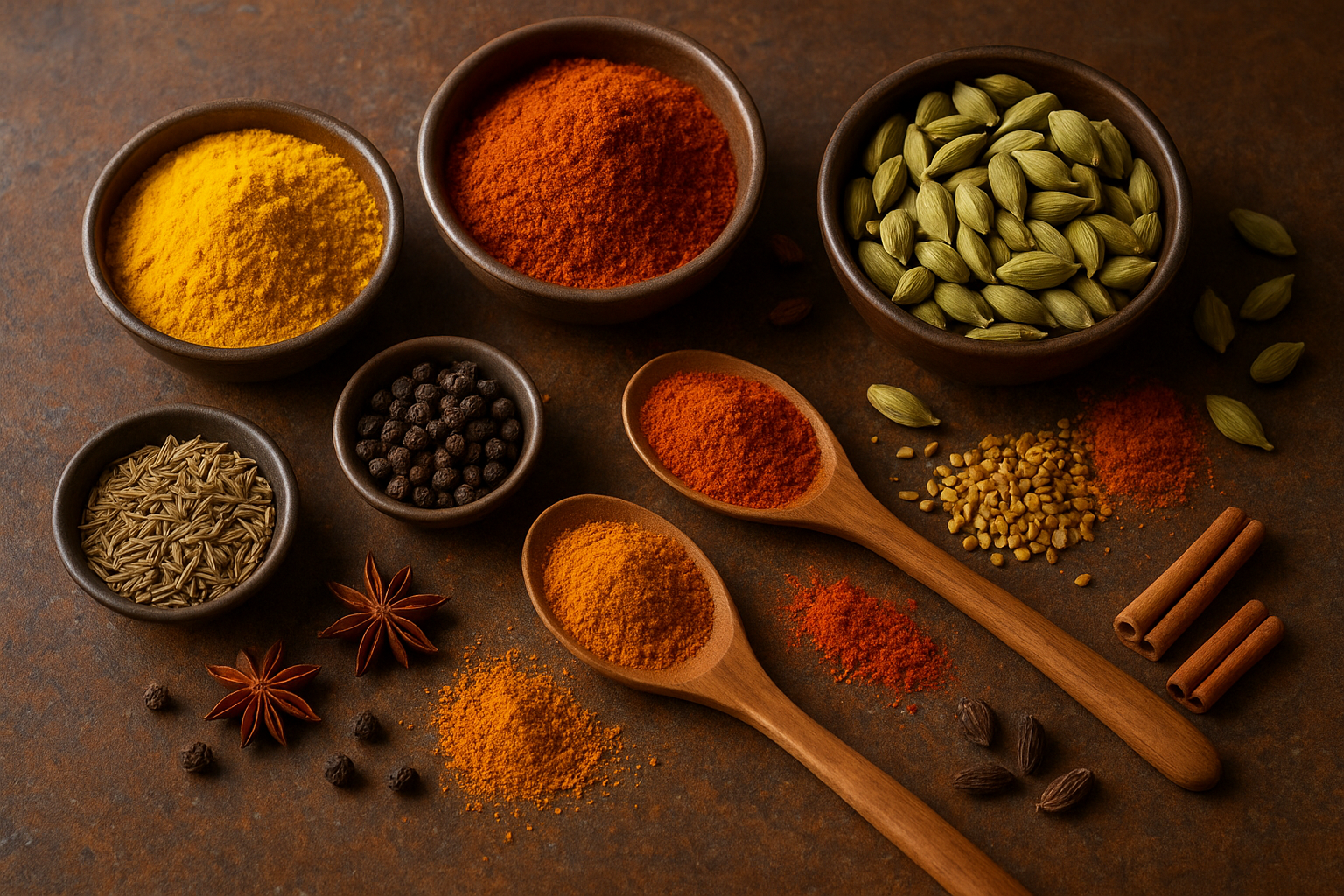
Swahili food has been shaped by centuries of Indian Ocean trade connecting East Africa with Arabia, Persia, India, and beyond. Through these routes, spices such as cloves, cardamom, cinnamon, cumin, and black pepper became integral to Swahili cooking. These spices are used to build warmth and depth, not heat, and are blended with African cooking traditions to create a distinct coastal flavor profile.
-
Everyday Swahili home cooking is practical and restrained, often centered on rice, beans, vegetables, coconut-based sauces, and seafood prepared simply for daily meals. Ceremonial and celebratory foods—served at weddings, religious holidays, and communal gatherings—are more elaborate, featuring dishes like pilau and biryani with richer spice blends and longer cooking methods. Together, these two styles reflect both daily life and tradition along the Swahili Coast.

What spices are used in swahili cooking?
Swahili cooking relies on a core group of aromatic spices that reflect the region’s coastal geography and long history of Indian Ocean trade. These spices are used to build warmth, balance, and depth rather than sharp heat, allowing dishes to feel fragrant and layered without overpowering the main ingredients.

Together, these spices create a flavor profile that emphasizes warmth, balance, and aroma. Rather than relying on heat, Swahili cooking layers spices gently, allowing each ingredient to contribute to a harmonious and well-rounded dish.
-
Cloves are one of the most defining spices in Swahili cooking, closely associated with the East African coast and Zanzibar. They add a deep, slightly sweet warmth and are commonly used in rice dishes, stews, and spice blends, contributing richness and aroma.
-
Cardamom brings a bright, floral warmth to Swahili dishes. It is often used in rice preparations, slow-cooked meats, and beverages, helping to lift heavier flavors and create balance within spice blends.
-
Cinnamon adds gentle sweetness and warmth without making dishes taste sugary. In Swahili cooking, it is used sparingly to round out savory dishes, particularly in rice-based meals and ceremonial foods.
-
Cumin provides earthiness and depth, grounding lighter spices and aromatics. It is commonly used in marinades, stews, and spice blends, helping to anchor flavors and create a savory backbone.
-
Coriander contributes a citrusy, slightly floral note that brightens dishes. It is often paired with cumin and other warm spices to create balance and freshness in Swahili cooking.
-
Black pepper adds subtle heat and sharpness without overwhelming the dish. It is used to enhance aroma and complexity rather than to create spiciness, supporting the overall balance of flavors.